
Some people leave a lasting impression not because of fame, wealth, or professional achievements, but because of the way they approach life and treat others. Shane DiGiovanna was one of those individuals. Known for his intelligence, curiosity, determination, and commitment to helping people, he became an inspiring figure in the community of people living with rare medical conditions.
Born with epidermolysis bullosa (EB), a rare genetic disorder that makes the skin extremely fragile, Shane faced medical challenges throughout his life. His condition required extensive treatment, regular wound care, and numerous surgeries. However, he refused to let his circumstances define his ambitions. He pursued higher education, developed a passion for science and space exploration, and became an advocate for people with disabilities and chronic illnesses.
His journey attracted attention because he demonstrated what determination and compassion can accomplish even in extraordinarily difficult circumstances. From graduating from Rice University to advocating for better healthcare support, he used his experiences to make a difference in other people’s lives.
Although Shane DiGiovanna passed away on March 30, 2026, at the age of 27, his contributions continue to inspire conversations about disability inclusion, healthcare accessibility, and the importance of supporting people living with rare diseases.
Who Was Shane DiGiovanna?
Shane DiGiovanna was an American disability advocate, public speaker, college graduate, and rare-disease awareness advocate from Cincinnati, Ohio.
He became known for his determination to pursue an independent and meaningful life despite living with severe recessive dystrophic epidermolysis bullosa, a particularly serious form of EB.
His story was not simply about managing a medical condition. It was also about education, personal ambition, community involvement, and helping others facing similar challenges.
Shane developed an interest in science and space exploration from an early age. He was fascinated by astronomy, spacecraft, and the possibility of exploring other planets. His curiosity eventually became an important part of his identity.
He also demonstrated an interest in public speaking and advocacy while still young. Rather than keeping his experiences private, he used opportunities to explain EB to other people and encourage greater awareness of the condition.
Early Life and Childhood
Shane was born on June 4, 1998, six weeks prematurely. From childhood, his life involved medical challenges associated with epidermolysis bullosa.
EB is a group of inherited conditions that affect the skin’s ability to withstand friction and everyday contact. In people with severe forms of the disorder, even minor pressure can cause painful blisters, wounds, and skin damage.
For Shane, this meant that ordinary childhood activities required additional care and planning. Medical appointments, wound treatment, protective bandages, and surgeries became regular parts of his life.
Despite these difficulties, his childhood was also shaped by curiosity and a desire to experience the world.
He developed a strong interest in reading, science, astronomy, and technology. Space exploration particularly fascinated him, and he became interested in spacecraft and the possibility of human exploration beyond Earth.
His family played an important role in supporting his education, interests, and ambitions. Their encouragement helped him pursue experiences that might have seemed difficult or even impossible because of his condition.
Learning to Communicate and Build Confidence
Shane also faced hearing-related challenges and was profoundly deaf. With the assistance of bilateral cochlear implants and support from Ohio Valley Voices, he learned to communicate through spoken language.
His experience demonstrated that medical challenges did not prevent him from developing strong communication skills.
He eventually became comfortable speaking in front of audiences and explaining complicated subjects in accessible language.
His early public-speaking experiences helped establish a foundation for the advocacy work he would pursue later in life.
Understanding Shane DiGiovanna’s Medical Condition
One of the most important parts of Shane’s story is understanding the condition he lived with throughout his life.
He had recessive dystrophic epidermolysis bullosa (RDEB), a severe inherited form of epidermolysis bullosa.
The condition affects the protein that helps connect different layers of the skin. Without sufficient functional collagen VII, the skin becomes unusually fragile and can separate easily.
This can result in:
- Painful blisters and open wounds.
- Frequent skin infections.
- Extensive scarring.
- Difficulties with everyday physical activities.
- A greater risk of developing aggressive skin cancers.
The condition can affect several areas of the body and requires ongoing medical attention.
For Shane, treatment involved extensive wound care, specialized bandages, and repeated medical procedures. His experience also highlighted the financial challenges faced by families managing rare diseases.
More Than 150 Surgeries
Throughout his life, Shane underwent more than 150 surgeries, reflecting the seriousness of his medical condition.
These procedures were part of the ongoing medical care required to manage complications associated with EB.
Despite the physical demands of treatment, he continued pursuing education, developing friendships, and participating in activities that mattered to him.
His experiences also gave him a personal understanding of the difficulties faced by other patients and their families.
Rather than viewing his experiences as something that only affected him, he used them to explain why better treatment access and medical support were essential.
Education and Graduation From Rice University
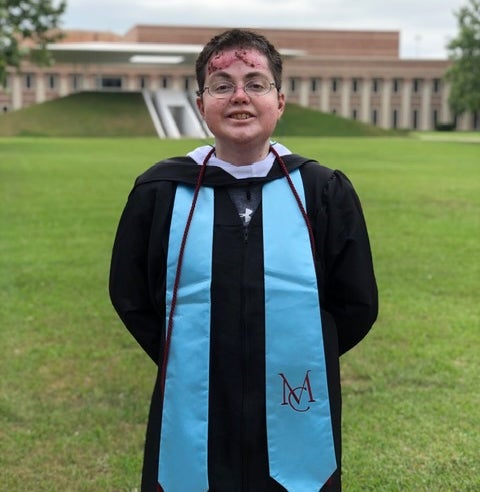
Education was one of Shane’s most important achievements.
He attended Rice University in Houston, Texas, where he studied economics and graduated in 2021.
His decision to attend college away from home represented an important milestone. Living independently on a university campus requires considerable planning for any student. For someone with a severe medical condition, the additional challenges can be substantial.
His college experience required coordination between his family, university housing, dining services, and medical support arrangements.
Rice University helped accommodate his needs, including modifications to his dormitory room.
The opportunity allowed him to experience university life, participate in campus activities, and develop relationships with fellow students.
He became involved in student leadership and worked to improve accessibility and inclusion.
His Contribution to Campus Accessibility
While studying at Rice, Shane founded a student-led disability committee within the university’s student government.
The committee focused on improving resources and creating a more inclusive environment for students with disabilities and chronic health conditions.
This achievement reflected an important part of his personality: he wanted to make things better for people who would come after him.
His work showed that accessibility should not be treated as an optional benefit. Students with disabilities deserve opportunities to participate fully in university life.
Graduating from Rice University was therefore more than an academic accomplishment. It represented independence, perseverance, and the value of creating supportive educational environments.
Also read: Jess Findlay: Biography, Photography Career, and Achievements
His Passion for Space and Science
Another defining part of Shane’s personality was his fascination with space.
From an early age, he was interested in astronomy, space exploration, and the science behind human journeys beyond Earth.
He enjoyed learning about NASA missions, planetary exploration, and spacecraft design.
His interest was not limited to watching documentaries or reading popular science books. He actively explored scientific ideas and developed knowledge about the technology involved in space exploration.
As a teenager, he participated in a TEDxCincinnati event in 2014. His presentation focused on spacecraft designed to explore the solar system.
He also completed a high-altitude balloon project during his school years. The project involved designing and launching a system carrying a camera, GPS equipment, and scientific instruments.
His interests demonstrated his curiosity and willingness to learn through practical experiences.
Shane also dreamed of working for NASA. Although his medical circumstances affected the professional opportunities available to him, his enthusiasm for science remained an important part of his life.
Advocacy for People Living With Epidermolysis Bullosa
Shane’s personal experiences eventually became a powerful foundation for advocacy.
He understood that people living with rare medical conditions often face challenges beyond their physical symptoms. Access to treatment, insurance coverage, specialized supplies, and financial support can significantly affect their quality of life.
One particularly important issue was the cost of specialized wound-care bandages.
For people with severe EB, these supplies are not ordinary medical accessories. They are essential components of daily treatment.
Without appropriate dressings, wounds can become more difficult to manage, increasing the risk of complications and hospital visits.
Shane spoke about these challenges and worked to bring greater attention to the needs of the EB community.
Working Toward Better Healthcare Coverage
His advocacy eventually reached the national political level.
He worked with Congressman Greg Landsman of Ohio to highlight the difficulties faced by people who need specialized wound-care supplies.
Their efforts helped bring attention to the possibility of improving Medicaid coverage for EB-related wound care.
In March 2026, Landsman introduced the Shane DiGiovanna Act, formally designated as H.R. 7877.
The proposed legislation called for a demonstration program to study mandatory Medicaid coverage for epidermolysis bullosa wound-care treatment.
The goal was to examine whether providing better access to wound-care supplies could improve patient health and reduce expensive hospital visits.
The legislation represented an important development in Shane’s advocacy journey.
It also demonstrated how personal experiences can help bring attention to broader healthcare policy issues.
Doggie’s Friends: Helping Children Through Difficult Times

One of the most touching parts of Shane’s legacy is Doggie’s Friends.
The initiative was inspired by a stuffed animal named Doggie that had comforted Shane during his childhood medical treatments and numerous hospital visits.
For a child facing repeated procedures, hospital stays, and uncertainty, a familiar toy can provide emotional comfort.
Shane understood this feeling personally.
He wanted other children experiencing difficult medical journeys to have something that could offer similar reassurance.
Through Doggie’s Friends, stuffed animals were provided to young patients receiving long-term medical treatment at Cincinnati Children’s Hospital.
The initiative transformed a personal childhood memory into a charitable effort with a much wider purpose.
According to Rice University’s account of his life, the initiative had raised more than $160,000.
Its significance was not simply financial. It represented Shane’s belief that small acts of kindness could make difficult experiences easier for others.
His childhood companion became the inspiration for helping other children feel less alone.
Personal Interests and Personality
Although much of the public discussion surrounding Shane focused on his medical condition and advocacy, those who knew him remembered a personality that extended far beyond his health challenges.
He was described as intelligent, funny, curious, and compassionate.
He enjoyed reading and learning about subjects ranging from science and politics to history and space exploration.
He also had a strong interest in Star Trek, which reflected his fascination with futuristic technology and exploration.
His enthusiasm for learning was evident in his conversations and public appearances.
Shane also enjoyed connecting with people. Public speaking gave him an opportunity to share his ideas, discuss important issues, and encourage others to think differently about disability and inclusion.
His personality helped people see the individual behind the medical diagnosis.
Shane DiGiovanna’s Final Years and Passing
During the later years of his life, Shane faced additional health complications.
He had been battling an aggressive form of skin cancer associated with his underlying condition. His medical situation became increasingly difficult, affecting his mobility and overall health.
Despite these challenges, he continued advocating for people living with EB.
In 2025, his health deteriorated significantly, and he entered hospice care.
Rather than waiting until after his death for loved ones to gather and remember him, he organized a celebration of life while he was still able to participate.
The gathering reflected his personality and his desire to spend meaningful time with the people who mattered to him.
Shane DiGiovanna passed away on March 30, 2026, at the age of 27.
His death was a significant loss for his family, friends, the Rice University community, and the wider EB advocacy community.
Rice University later remembered him for his resilience, compassion, and efforts to improve accessibility.
The Legacy Shane DiGiovanna Left Behind
Shane’s legacy can be understood through several important contributions.
Education and independence: His graduation from Rice University demonstrated the importance of creating educational opportunities for students with complex medical needs.
Disability inclusion: His work on campus accessibility encouraged institutions to consider the practical needs of students with disabilities.
Rare-disease awareness: By discussing his experiences publicly, he helped introduce more people to epidermolysis bullosa and its challenges.
Healthcare advocacy: His collaboration with Congressman Greg Landsman helped bring national attention to the cost of specialized wound-care supplies.
Compassion for children: Doggie’s Friends turned a meaningful childhood memory into an initiative supporting young hospital patients.
These achievements show why his story continues to matter.
His influence was not measured by the length of his life but by the opportunities he helped create and the people he encouraged.
Frequently Asked Questions About Shane DiGiovanna
1. Who was Shane DiGiovanna?
Shane DiGiovanna was an American disability advocate and Rice University graduate from Cincinnati, Ohio. He became known for raising awareness about epidermolysis bullosa and advocating for better healthcare support for people living with rare diseases.
2. How old was Shane DiGiovanna when he died?
He was 27 years old when he passed away on March 30, 2026. He was born on June 4, 1998.
3. What disease did Shane DiGiovanna have?
He lived with recessive dystrophic epidermolysis bullosa (RDEB), a rare genetic disorder that causes extreme skin fragility, painful wounds, blistering, and other serious medical complications.
4. Did Shane DiGiovanna attend college?
Yes. He attended Rice University in Houston, Texas, studied economics, and graduated in 2021.
5. What was the Shane DiGiovanna Act?
The Shane DiGiovanna Act was legislation introduced by Congressman Greg Landsman in March 2026. It proposed studying Medicaid coverage for wound-care treatment for people with epidermolysis bullosa.
6. What is Doggie’s Friends?
Doggie’s Friends is a charitable initiative inspired by Shane’s childhood stuffed animal, Doggie. The program provides stuffed animals to children receiving long-term medical treatment at Cincinnati Children’s Hospital.
7. What was Shane DiGiovanna passionate about?
He was passionate about space exploration, science, reading, politics, education, and helping people with disabilities. He also dreamed of working for NASA.
8. What is Shane DiGiovanna remembered for?
He is remembered for his determination, academic achievements, disability advocacy, healthcare reform efforts, and compassion toward children facing medical challenges.
Conclusion
Shane DiGiovanna’s life was a powerful example of determination, curiosity, and compassion. Despite facing a serious medical condition from birth, he pursued education, explored his interests, and worked to improve life for others living with rare diseases.
His achievements at Rice University, advocacy for better healthcare coverage, and charitable work through Doggie’s Friends created a legacy that extends beyond his 27 years. Although his life ended in 2026, the awareness and positive changes he helped inspire continue to make his story meaningful.


